Introduction
In the unforeseeable globe we reside in, emergency situations can occur anytime. Whether it's an abrupt cardiac arrest, a choking occurrence, or an injury from an autumn, understanding exactly how to respond efficiently can imply the distinction in between life and fatality. That's where the utmost mouth-to-mouth resuscitation and Emergency treatment combo enters play. This detailed guide is made to outfit you with the vital knowledge and abilities required to deal with numerous emergencies confidently.
The mix of CPR (Cardiopulmonary Resuscitation) and Emergency Treatment not only equips individuals however additionally fosters a culture of safety and security within communities. With correct training, any individual can find out how to conserve lives, making it critical for everybody to comprehend these life-saving techniques.
The Ultimate mouth-to-mouth resuscitation and Emergency Treatment Combination: Be Gotten Ready For Any Type Of Emergency
When confronted with an emergency, time is important. The Ultimate CPR and First Aid combination gives an organized strategy to managing various circumstances successfully. From identifying when to do CPR to recognizing how to carry out first aid for different injuries, this combo includes it all.

Understanding mouth-to-mouth resuscitation: A Lifesaving Technique
What is CPR?
CPR stands for Cardiopulmonary Resuscitation, an important emergency procedure used when a person's heart quits defeating or when they quit taking a breath. It includes breast compressions and rescue breaths aimed at maintaining blood flow and oxygenation till specialist assistance arrives.
The Significance of CPR in Saving Lives
Statistics show that instant mouth-to-mouth resuscitation can increase and even three-way the opportunities of survival after cardiac arrest. According to study, effective onlooker treatment is vital; almost 70% of cardiac arrests take place at home or public places where immediate feedback is commonly lacking.
Wagga Wagga First Aid Course Near Me - firstaidpro.com.auHow to Carry out mouth-to-mouth resuscitation: Step-by-Step Guide
Check Responsiveness: Delicately drink the person's shoulders and shout loudly. Call for Help: If less competent, call emergency services immediately. Open Airway: Turn the head back somewhat while lifting the chin. Check Breathing: Look for normal breathing (not gasping). Start Upper body Compressions: Location hands on the center of the chest and press set (at the very least 100-120 compressions per min). Rescue Breaths: After every 30 compressions, offer two rescue breaths if trained. Continue Till Aid Arrives: Keep executing up until emergency -responders take over.Common Mistaken beliefs About CPR
- CPR Constantly Reboots Heart Myth: Several think that executing CPR assurances revival; however, end results rely on several variables including timing and underlying health conditions. Incorrect Compression Depth: A necessary facet of effective CPR is guaranteeing compressions are deep adequate (at least 2 inches for grownups) yet not unfathomable as it can trigger injury.
AED Just how to Use: An Important Ability in Emergencies
What is an AED?
An AED (Automated External Defibrillator) is a mobile gadget that delivers an electrical shock to bring back typical heart rhythm during heart arrest.
Using AED with mouth-to-mouth resuscitation Australia
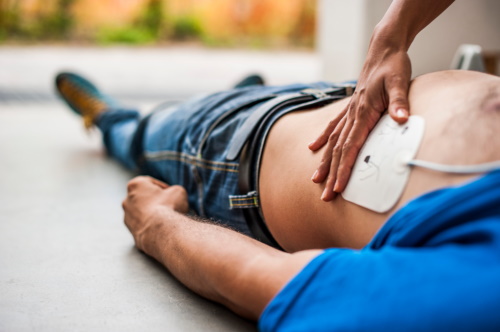
Turn on the AED. Apply pads as suggested on the device. Follow audio/visual prompts supplied by the AED. Continue with mouth-to-mouth resuscitation up until emergency situation personnel arrive.Infant mouth-to-mouth resuscitation Technique: Unique Considerations
Performing mouth-to-mouth resuscitation on babies calls for special methods due to their fragile physiology:
- Use two fingers for breast compressions. Keep compression deepness regarding 1.5 inches. Administer mild rescue breaths covering both nostrils and mouth.
Household CPR Readiness: Preparing Your Home
Being prepared in the house involves:
Educating family members concerning standard emergency treatment principles. Keeping first aid products stocked (bandages, antiseptics). Having an emergency plan in place that includes contact numbers for neighborhood emergency situation services.Advanced Resuscitation Abilities for Professionals
Healthcare companies might require innovative resuscitation skills past standard mouth-to-mouth resuscitation strategies:
- Understanding pharmacological treatments throughout resuscitation. Mastery of sophisticated respiratory tract administration techniques.
CPR for Sinking Targets: Unique Method Needed
Drowning targets call for prompt rescue breaths followed by breast compressions without delay because their key concern is generally absence of oxygen as opposed to heart failing initially.
Sports-related Cardiac Arrests: Recognizing Symptoms Early
Athletes might experience unexpected heart attack as a result of undiagnosed heart disease:
- Be familiar with signs like shortness of breath or fainting during activity. Immediate accessibility to qualified personnel can be lifesaving in sporting activities environments.
Workplace Emergency Plans: Necessary Components
Creating efficient office emergency situation plans entails:
Conducting normal training sessions on emergency treatment and CPR procedures. Establishing clear protocols detailing duties throughout emergencies. Ensuring access of emergency treatment kits and AEDs throughout the facility.Local mouth-to-mouth resuscitation Classes: Finding Training Opportunities Near You
Search online or contact neighborhood hospitals/community facilities to find classes in your area that provide certifications in both basic life assistance and initial aid.
Online CPR Accreditation Options Available Today
With developments in modern technology, numerous trusted organizations currently provide on the internet accreditation training courses:
- Courses cover theoretical expertise integrated with functional evaluations with videos or simulations.
FAQ Section
1. What is the legitimacy period for a mouth-to-mouth resuscitation certificate?
Most organizations suggest restoring your accreditation every two years as guidelines may change over time.
2. Exist age-specific standards for carrying out CPR?
First Aid Training Wagga Wagga - First Aid ProYes! Guidelines differ based on age group (grownup, youngster, infant). Constantly refer to present criteria given by recognized authorities such as the Australian Resuscitation Council.

3. What devices do I require for efficient CPR?
Basic tools includes gloves (to shield versus infection), an AED if available, and accessibility to first-aid materials like bandages or antibacterial solutions.
4. Which companies offer on-line certification in Australia?
Organizations such as St John Ambulance Australia offer extensive on-line training courses that satisfy national standards.
5. Can I execute rescue breaths without mouth-to-mouth contact?
Yes! Compression-only CPR has actually been shown effective; however, rescue breaths are motivated when safely possible particularly in children/infants where oxygenation degrees drop quickly.
6. How do I stay updated on latest standards pertaining to resuscitation practices?
Regularly examine updates from reliable bodies like Red Cross or your nation's resuscitation council which release revised standards occasionally based upon developing medical evidence.
Conclusion
Being outfitted with knowledge about The Ultimate CPR and Emergency treatment Combination ensures you await any emergency scenario you may encounter-- whether in the house, work, or even out in public spaces! The capability to initiate activity quickly can have considerable impacts not just on private lives yet likewise within neighborhoods at big-- producing environments where everybody feels safer recognizing they have a person close by who can supplying aid ought to tragedy strike unexpectedly!
In verdict, welcoming abilities associated with both cardiopulmonary resuscitation & & foundational first-aid actions allows all of us not just come to be more self-dependent but also create linked communities willing & & able action up when needed-- since every second counts!